A Brief History of Play

Ken McAllister
Summer 2019
Wednesdays |  
10:00 AM - 12:00 PM
May 8, 15, 22, 29, and June 5, 2019
Course Format: Hybrid
Location: Main Campus
Tuition: 130

From our species’ earliest moments, we have played. Mancala. Tabula. Chess. Noughts and Crosses. Monopoly. Bridge. Cops & Robbers. Halo. Minecraft. Cards Against Humanity. The list of contrivances that different peoples, communities, and cultures have devised to entertain themselves is endless. But more than a distinct category of human activity—one that supplements but stands apart from, for instance, work and relationships—play is infinite in both its particular instances and its cultural pervasiveness. Indeed, renowned historian of play Johan Huizinga observed in the early 20th Century that “the great archetypal activities of human society are all permeated with play from the start…law and order, commerce and profit, craft and art, poetry, wisdom and science. All are rooted in the primaeval soil of play.” In this 10 hour seminar, we will explore what play has meant in different cultures, try to understand why it sometimes becomes controversial, and ultimately develop an understanding of play that is dynamic enough to describe the latest computer game, yet robust enough to reveal what even the most traditional game—playground favorites such as hopscotch and sockball, for instance—tell us about the societies that gave rise to them. You’ll even design a game yourself.

Registration Opens Online: Monday, March 25, 2019 at 8AM (AZ Time)
Required Reading

Chris Crawford. The Art of Computer Game Design.
Johan Huizinga. Homo Ludens.
Harrison, Elizabeth. Toys and Their Place in the Education of the Child: A Study of Child-Nature.
Hargrave, Catherine Perry. A History of Playing Cards.

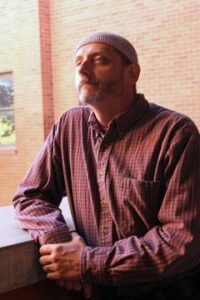
Meet Your Instructor

Professor and Associate Dean of Research and Program Innovation

KEN MCALLISTER is Associate Dean of Research and Program Innovation in the College of Humanities and a professor across multiple interdisciplinary programs at the University of Arizona. A nationally recognized scholar of digital humanities, history of technology, and game studies, he is the author of six books and numerous articles on media theory and innovative research practices. Ken’s grant writing experience spans academic, K-12, and nonprofit sectors, and he has worked with dozens of community organizations, museums, archives, and religious institutions to identify and apply for grants—from small local foundations to national governments and international agencies. He has particular expertise in grant-oriented project development related to digital preservation, and has helped many prospective applicants shape ambitious ideas into impactful, fundable, and doable projects.

Location

POETRY CENTER
Dorothy Rubel Room
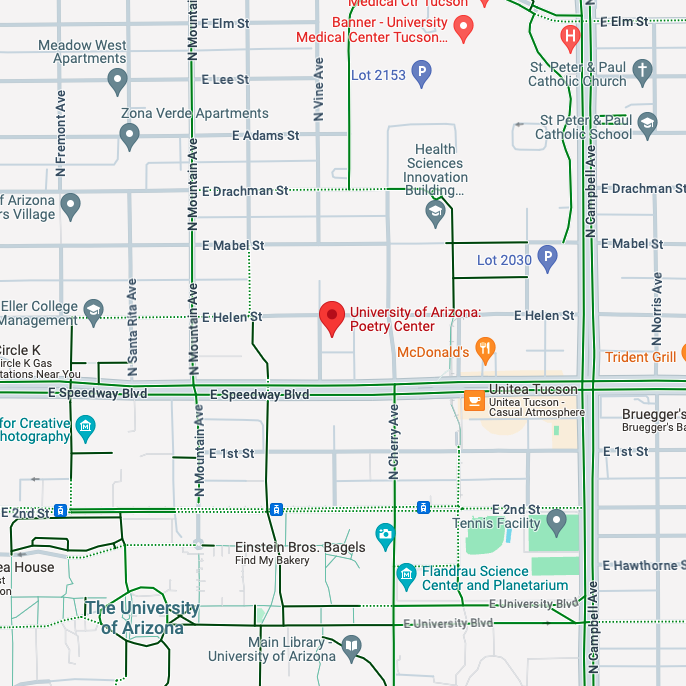
1508 E Helen
Tucson, AZ 85721
United States

Located on the SE corner of Helen Street and Vine Avenue, one block north of Speedway and three blocks west of Campbell Ave.

Street map image of Poetry Center

Open Courses You May Also Be Interested In